
Why AI-driven email workflows changed the authentication game
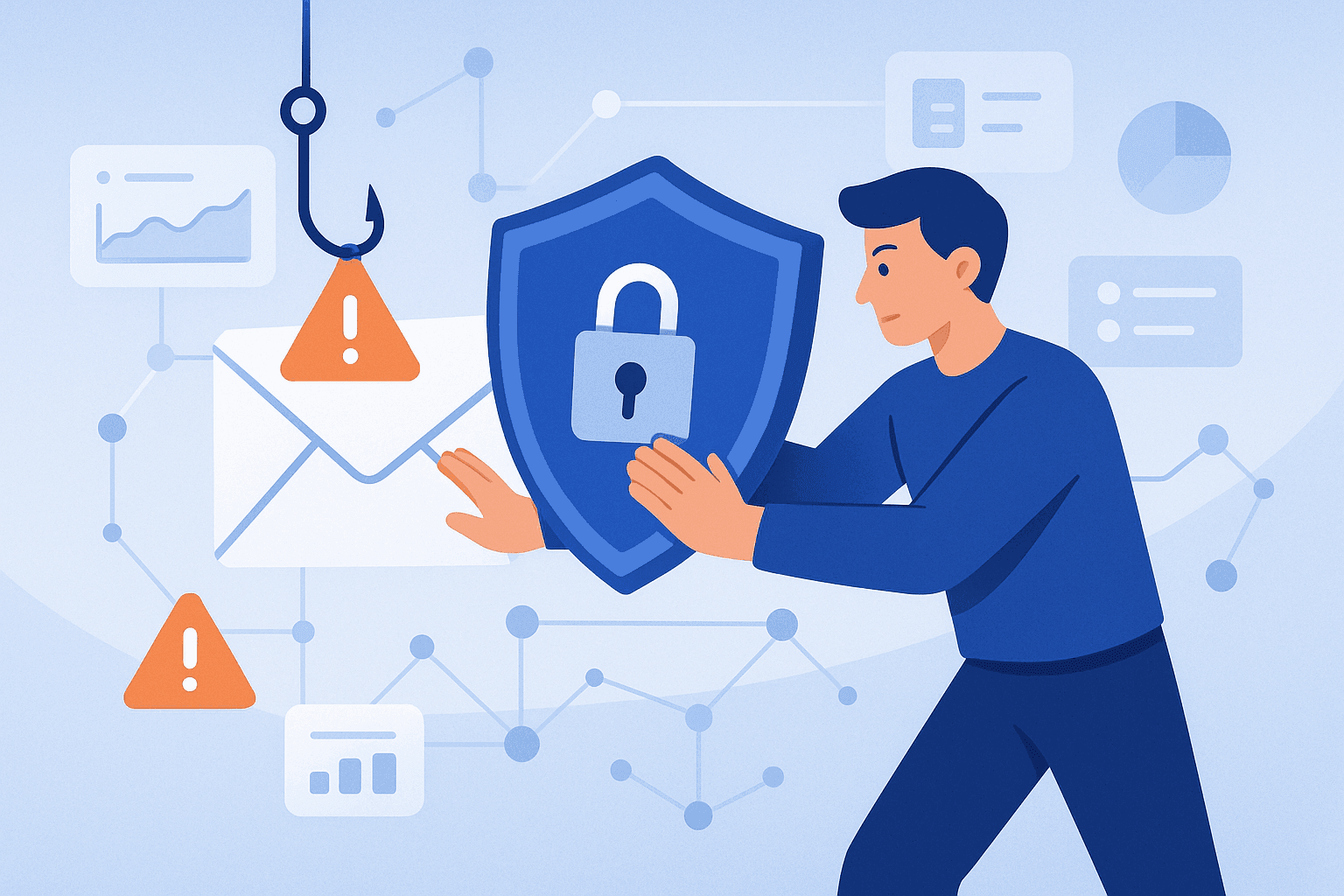
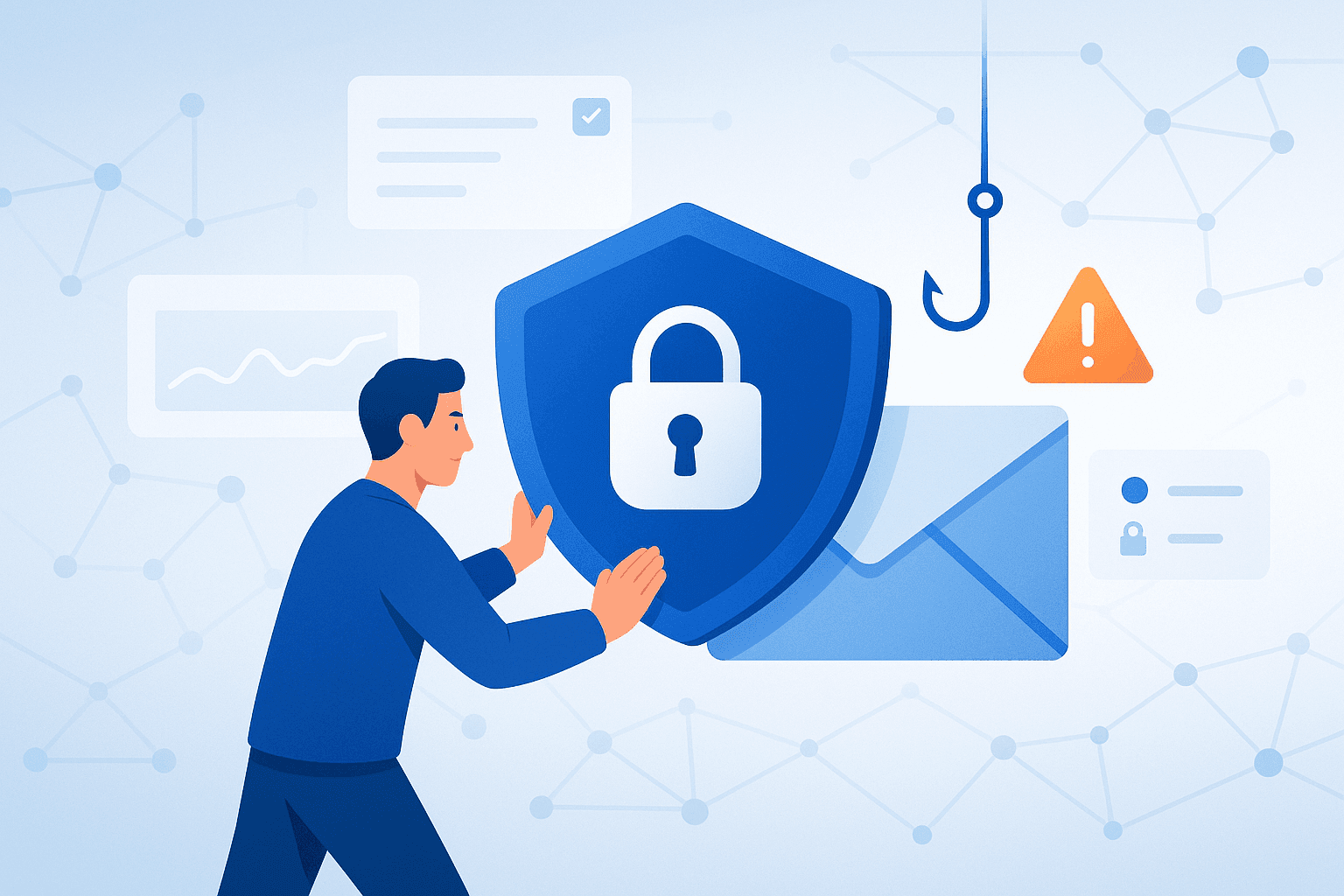
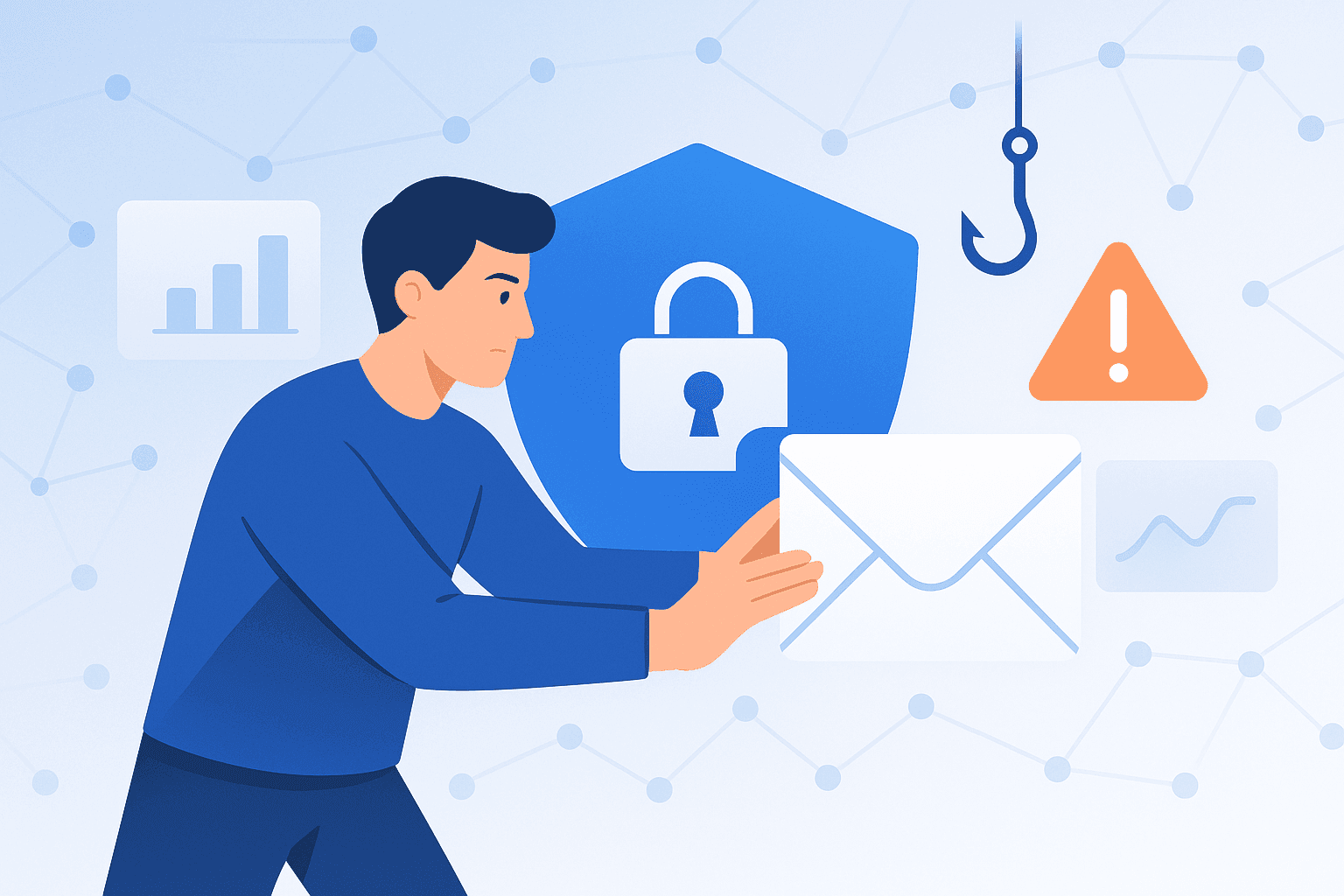
In 2026, email authentication is no longer just about stopping obvious spoofing. It is now about controlling a much broader ecosystem of mailflows: AI-generated sales outreach, automated support replies, workflow-triggered alerts, code assistant notifications, and transactional messages sent from dozens of SaaS platforms. That shift has made SPF, DKIM, and DMARC more important—and more complex—than ever.
The biggest mistake organizations make today is assuming authentication is a single-domain problem. It is not. Every new automation tool, AI agent, or third-party platform can create a new sender identity. If those identities are not mapped, signed, and policy-enforced properly, deliverability drops and phishing risk rises.
This article takes a fresh angle on email authentication protocols in 2026: how to secure AI-driven mailflows without breaking legitimate business communication.
The modern role of SPF, DKIM, and DMARC
SPF: useful, but only at the sending-path layer
Sender Policy Framework (SPF) still verifies whether a sending IP is authorized to send on behalf of a domain. In practice, SPF remains valuable for filtering out unauthorized infrastructure, but it has a critical limitation: it checks the envelope sender, not the visible message content.
That matters more in 2026 because many AI-powered services relay mail through shared infrastructure, rotating IPs, or nested vendor stacks. A platform may send from a legitimate IP today and a different region tomorrow. Without careful SPF maintenance, authentication drift becomes inevitable.
DKIM: the backbone of message integrity
DomainKeys Identified Mail (DKIM) signs the message body and key headers, proving the message was not altered in transit and that it originated from a domain that holds the private key. In AI-driven workflows, DKIM is often the most reliable proof of legitimacy because it survives complex forwarding paths and internal routing changes better than SPF.
As more businesses use automation to generate dynamic email content, DKIM also plays a subtle but important trust role: it tells mailbox providers that the message content came from a controlled system, not from a spoofed sender.
DMARC: policy, alignment, and visibility
Domain-based Message Authentication, Reporting, and Conformance (DMARC) is the policy layer that ties SPF and DKIM together. It checks alignment between the visible From domain and the authenticated identifiers used by SPF or DKIM.
DMARC is especially critical in 2026 because it gives organizations visibility into who is actually sending mail on their behalf. With AI agents, SaaS integrations, and delegated marketing tools multiplying sender identities, DMARC remains the best control for detecting shadow mailflows.
Why AI mailflows create new authentication risks
1. More sender identities than security teams can track
A typical enterprise once had a handful of primary mail systems: Microsoft 365, Google Workspace, and maybe a marketing platform. Now, an organization may also use:
- AI outbound sales assistants
- Customer support automation platforms
- Product notification engines
- HR and finance workflow tools
- Developer tooling and incident response bots
- Regional customer engagement vendors
Each one can send as a branded address, and each one can fail authentication in a different way.
2. Shared SaaS sending infrastructure
Many modern mail platforms use shared sending pools. That means SPF records can become bloated, brittle, or incomplete. It also means a single misconfigured sender can damage the reputation of the entire sending ecosystem.
In 2026, mailbox providers are increasingly sensitive to authentication consistency. If one system signs with DKIM and another does not, or if aligned domains differ across tools, deliverability suffers.
3. AI-generated content can trigger policy anomalies
AI-generated email content is not inherently unsafe, but it can create unusual sending patterns:
- higher message volume spikes
- inconsistent template structure
- new reply-to patterns
- altered header behavior when different tools inject metadata
These changes can confuse trust signals if they are paired with weak authentication. The email may look legitimate to humans but inconsistent to filtering systems.
A practical 2026 framework for securing AI-driven mailflows
Step 1: Build a sender inventory before changing policy
Before tightening DMARC, map every source that sends mail using your domains. Include:
- internal mail systems
- CRM and marketing platforms
- AI assistants and outbound automation
- support desks
- billing systems
- monitoring and alerting tools
- any vendor with delegated sending rights
A complete inventory is the difference between a smooth rollout and a broken communications stack.
Step 2: Align every sender to a clearly owned identity
Where possible, use subdomains for specific mail categories:
alerts.example.comfor system notificationssupport.example.comfor ticketing repliesnews.example.comfor marketing campaignsai.example.comfor automated outbound engagement
This makes SPF, DKIM, and DMARC easier to manage and reduces the blast radius of a misconfiguration.
Step 3: Prefer DKIM signing everywhere
In 2026, DKIM is not optional for serious senders. Every legitimate mail source should sign with DKIM using a domain you control. If a vendor cannot support custom DKIM with alignment, that is a red flag.
A strong DKIM strategy should include:
- unique selectors per platform
- key rotation policies
- monitoring for signature failures
- consistent signing across production and test flows
Step 4: Use SPF narrowly and cleanly
SPF should include only the services that actually send mail. Avoid endless nested includes and duplicated records. Remember that SPF has lookup limits, and messy records often fail silently or unpredictably.
For AI-driven tools, ask vendors whether they support:
- dedicated IPs
- custom envelope domains
- authenticated relay options
If they do, use them to reduce SPF complexity.
Step 5: Move DMARC toward enforcement with phased controls
A 2026 best practice is not to stay forever at p=none. Monitoring is important, but enforcement is the goal.
A practical phased path looks like this:
- Start with
p=noneto identify all senders. - Fix SPF and DKIM alignment issues.
- Move to
p=quarantinefor suspicious or unauthenticated mail. - Progress to
p=rejectfor high-confidence protection.
The key is to enforce only after visibility confirms that legitimate mailflows are aligned.
Real-world scenario: an AI sales assistant gone wrong
Consider a B2B company in 2026 using an AI sales assistant to send personalized outreach from hello@company.com. The vendor uses shared infrastructure, SPF passes only sometimes, and DKIM is not configured with the company’s domain. The messages are technically “from” the company, but authentication is inconsistent.
What happens?
- Mailbox providers see poor alignment
- Inbox placement declines
- Some recipients receive spoofed-looking follow-ups from attackers mimicking the same pattern
- The company’s sales team loses trust in the automation tool
The fix is not just “add SPF.” It is to redesign the sender identity:
- move outreach to a dedicated subdomain
- configure custom DKIM signing
- verify SPF for the approved vendor relay
- apply DMARC policy to the subdomain first
- monitor aggregate reports for anomalies
This approach protects both deliverability and brand trust.
What has changed in 2026
A few broader trends are shaping authentication strategy this year:
- More enforcement by mailbox providers: unauthenticated or misaligned mail is less tolerated than before.
- Greater scrutiny of automated sending patterns: providers are looking beyond headers to behavioral consistency.
- More DMARC visibility adoption: organizations now expect reporting as a baseline, not a luxury.
- AI agents are becoming first-class senders: security teams must treat them like any other vendor or application.
Industry estimates in 2026 suggest that a large share of business email now originates from non-human workflows, which means authentication is increasingly about machine trust, not just human-to-human communication.
Common mistakes to avoid
Assuming one vendor can cover all mail
No single platform should be assumed to represent your entire domain. Separate transactional, marketing, support, and AI-driven outbound streams whenever possible.
Ignoring alignment details
Passing SPF alone is not enough. If the visible From domain does not align, DMARC can still fail.
Leaving subdomains unmanaged
Attackers often exploit neglected subdomains. Apply authentication controls to every active sending domain and subdomain.
Delaying key rotation
DKIM keys should be rotated on a schedule. Long-lived keys increase risk if a system is compromised.
Waiting too long to enforce DMARC
Monitoring without action gives visibility, but not protection. Move toward enforcement once the data is clean.
Final takeaways for 2026
SPF, DKIM, and DMARC are still the foundation of email authentication, but the context has changed. In 2026, the challenge is not just spoofing—it is identity sprawl across AI-driven and automated mailflows.
If you want stronger protection and better deliverability, focus on three things:
- inventory every sender
- align and sign every legitimate workflow
- enforce DMARC gradually but decisively
Organizations that treat email authentication as part of their automation strategy will be better protected against phishing, less likely to lose inbox placement, and better prepared for the next wave of AI-generated communication.
The message is simple: if a system can send email in your name, it must be authenticated like it belongs there.